Mr Musa and the death

Every morning Mr Musa is sitting at the table of a little Thaifamily guesthouse. He is sitting alone, his eyes are in searching mode. Whenever you look at him he uses the blink of an eye to make a short contact of sharing something like “Good Morning. Nice sky”.

One morning he comes to my table and after talking about temples in India, he asks me if I wanna go for a walk with him to the river bank. While walking he tells me that he likes this area so much, because it has so much life in every corner. An alive atmosphere.  I understand him very well. 2012 I visited this place for the very first time. I was travelling  to Asia for the first time and I was alone.

Alone with a broken heart. I went for long walks with this thing in my chest that felt like an overcooked Tofuthaicurry with mashed and burned pieces and I was driving around in the Karma Taxi searching for something, searching for myself. The Karma Taxi story is here. 

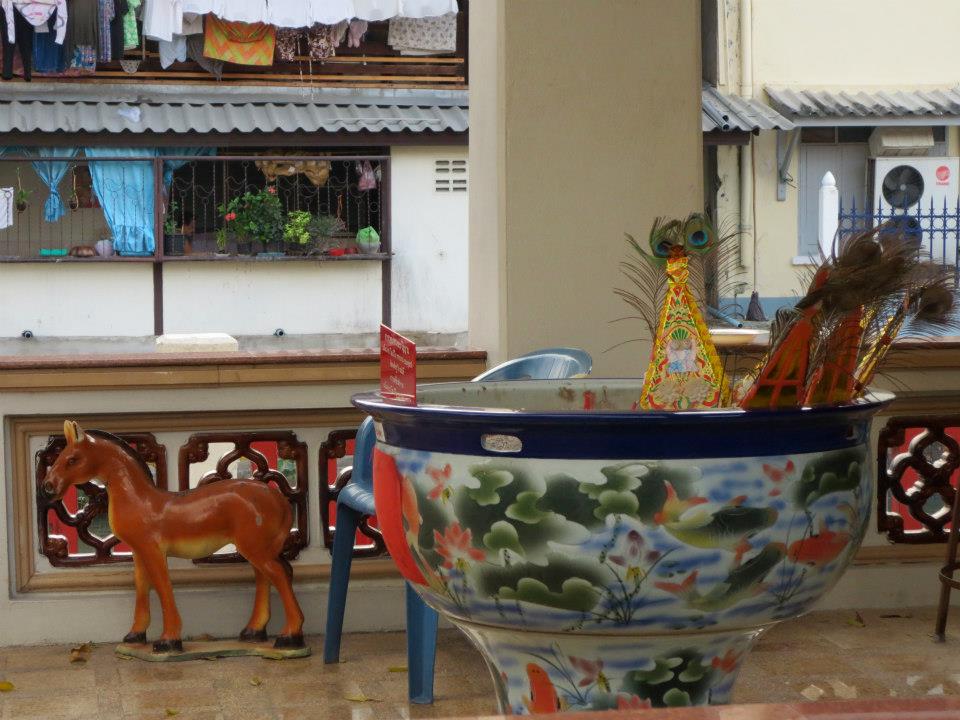
Since then I managed to get my heart to be whole again with some burned areas, that sometimes still feel old pain, but in general my heart is much more at peace. Now we go for a walk with Mr Musas heart. It seems to be that in the last years nothing has changed in this khet, one of the 50 districts of Bangkok. The hustle on the market, the Thaimamas behind their food stalls, the kids in schooluniforms buying sweets and laughing excitedly, the dried chilis bedded on the pedestrians, the cats that are sitting in front or on ricesacks, singing birds on the power cables that are decorating the streets, the smell of incense, fish and oranges, paper lanterns hanging in the rustling trees and the chants sloshing from the temples at sunset time. But since 2012 everything has changed here. Everything.

Mr Musa and I we buy pink noodles, peanuts and spouts and sit at the banks of the river. In ten minutes the food will be in our stomachs that breaks it down and then it will go into the earth again where we all come from. Observing the flowing water makes clear that all is in constant move and hence in change. The floating plastic bags fall into particles, these particles are getting eaten by the fish that maybe choke or it got caught by the fishers and land on the grill or it just dies a natural death. The fish will die as we are all going to die. The german artist Perel is singing in her song “Alles” /All –  “A house, a fence, the bird chokes, the time, the space, nothing comes back. On a yard, a heart is breaking. Everything that was, will never be again and everything that is, is always over.” Nothing stays the same, but despite we want to stop time and hold on to people, stories and stuff.
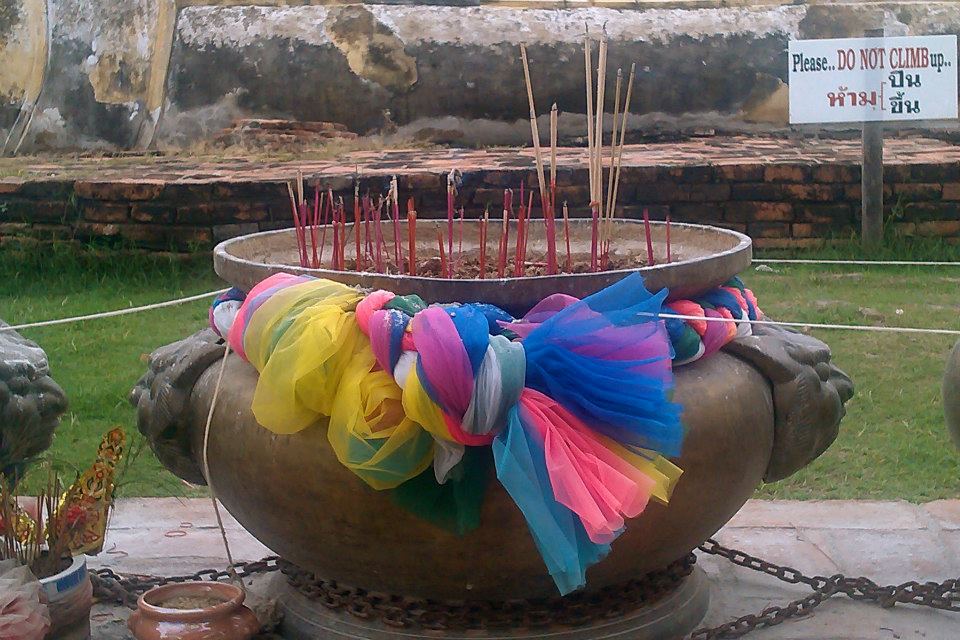
„This moment shall never end“, we hear us saying. “This love should never stop” we wish. We swear we will stay together forever until death separates us. Some of us are sticking to the promise and seeing through to the finish, others take the exit earlier. Going somewhere with someone else. That’s life. Who does not accept and let go, will be suffering. Again and again. A lot. On my journey I got to know the concept of attachment and detachment. It is an essential part of the Buddhist teachings and of the Yoga Philosophy, the Yoga Sutras of Patanjali.

To suffer less, it is highly recommended to learn how to love and how to detach at the same time. This kind of relating is a challenging art.
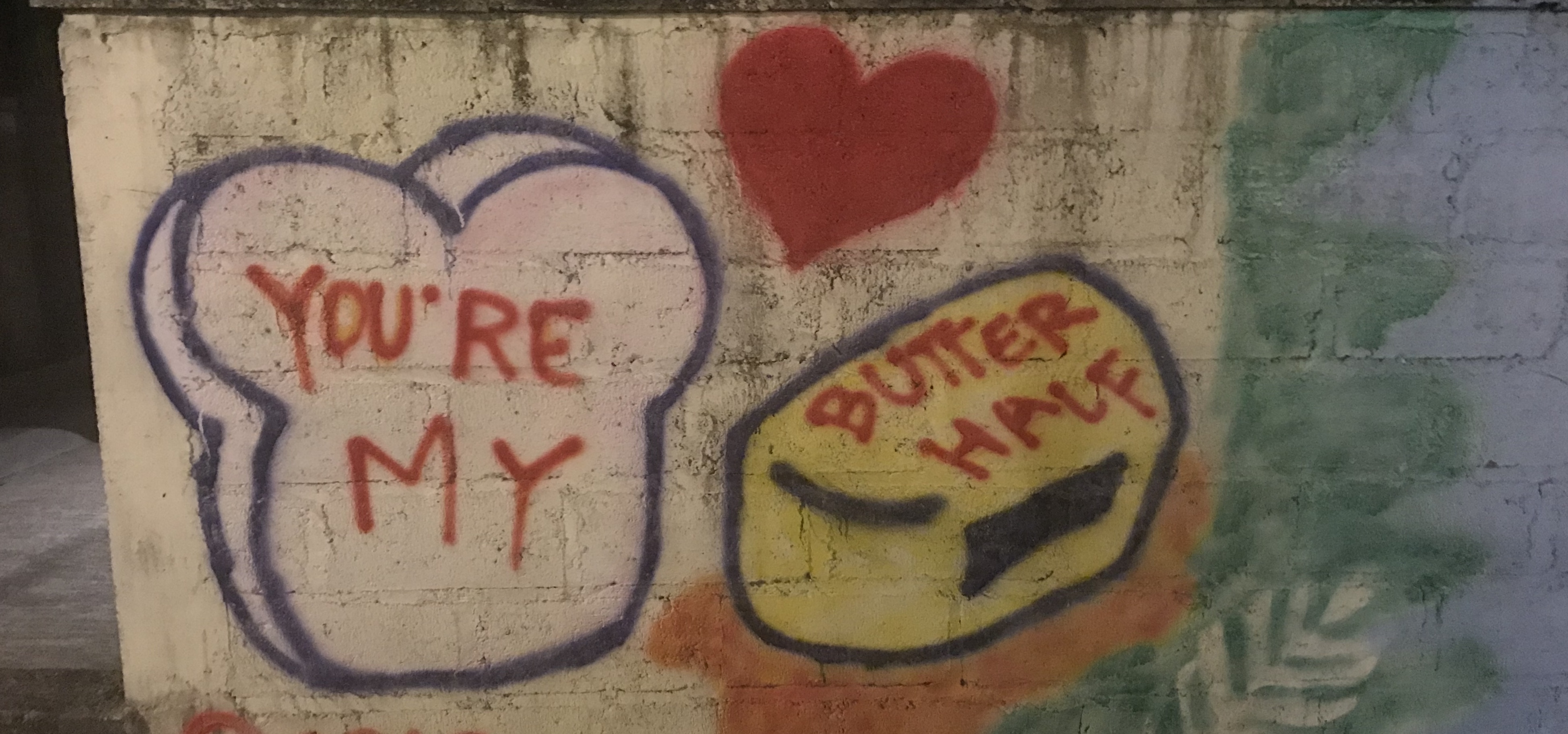
Who has spent his life over decades with one person, cannot let go easily. In my opinion it is natural that it is very hard to say bye bye and to let go. It happens that over the time while living together, raising children, building things .. two butter halfs melt together into one sandwich and become a symbiotic something.
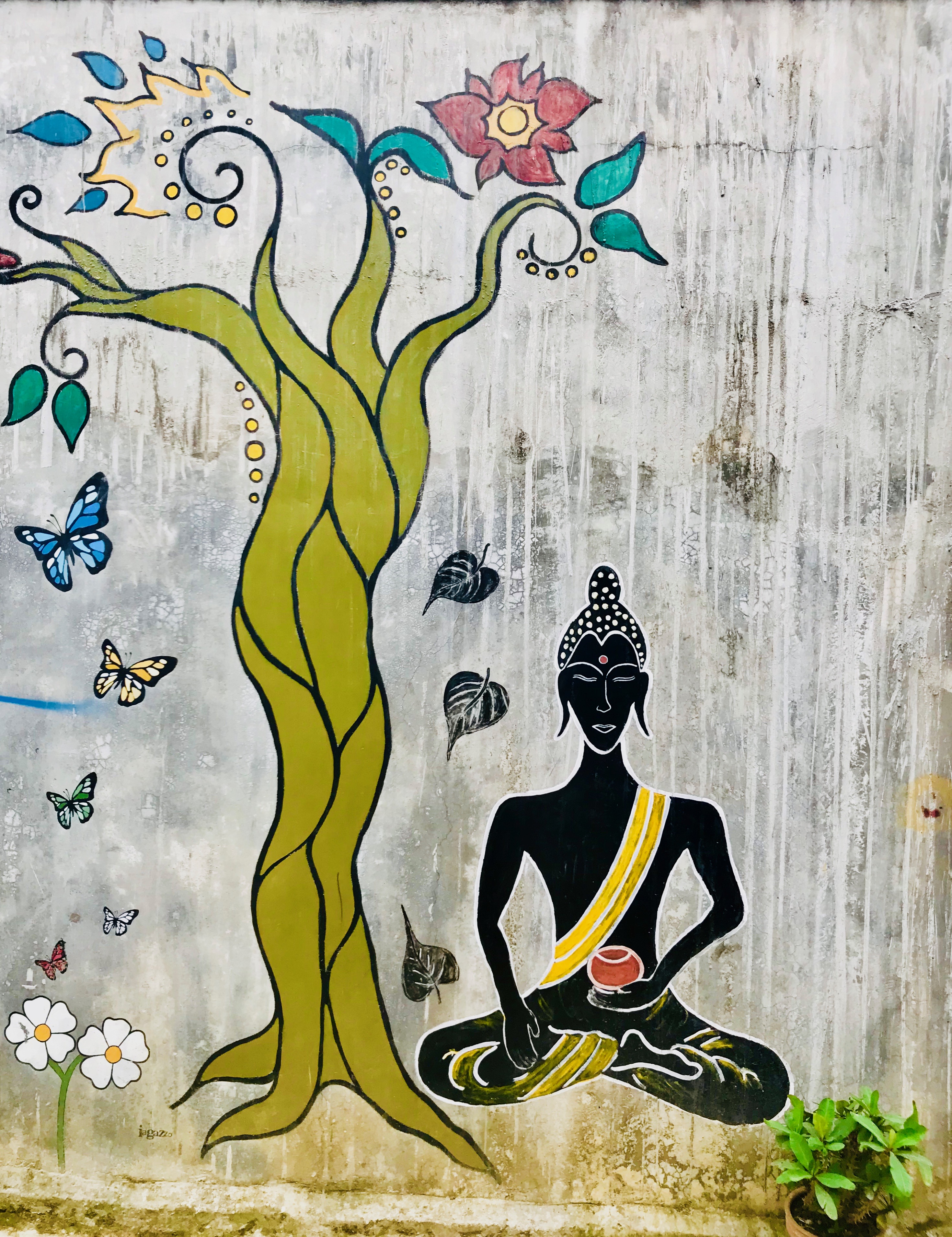
And while facing the fact of impermanence, that death will separate the merged butterhalfs again, it is important to learn to stay one whole person in a relationship. Always. It is good to learn to love and to detach at the same time and practice it while the person is still alive. You do not love less with detachment.  You can turn on your heart full power.

(On my journey through the world and also through the spiritual scene I often saw this concept of detachment misunderstood or abused. People take it as an excuse for not having stable relationships anymore and instead they run from one person to another. In the Touch & play & next one mode. I saw loneliness and disconnection. Detachment is not meant to function as an excuse for intimiacy issues. Here one should examine the relationship with oneself of course alone for a while.)
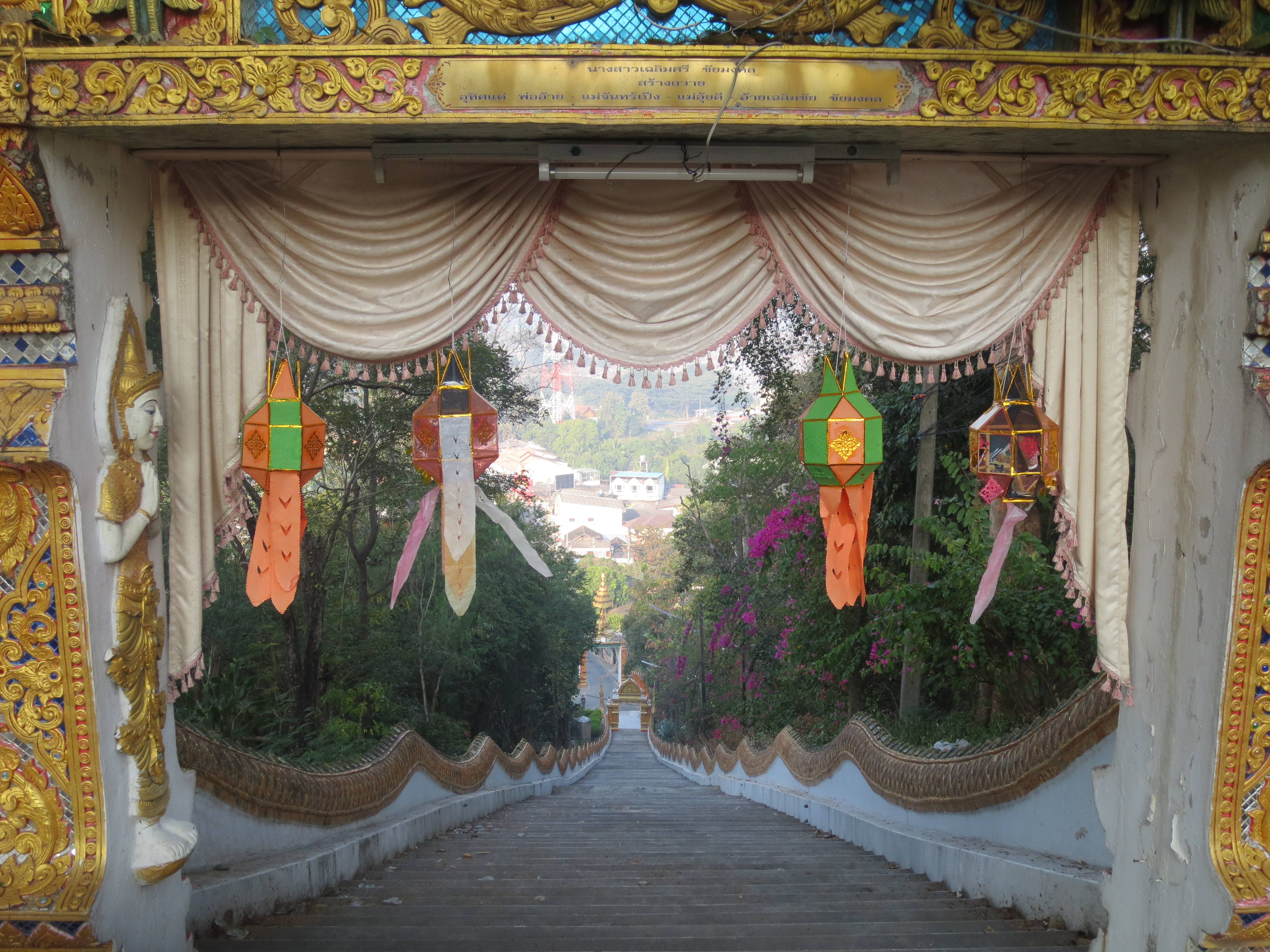
We all walk the way over the bridge alone and with that we are no alone. When we get this then there is a chance for getting true connection with others.

Our life is like a bridge. With beginning and end. In the middle of the bridge we kind of “stop”. We build a house, start a family and or build a career and are very attached to our jobs, because society gives us the message of  being exchangeable in every moment. So we cling to it. We buy clothes, more clothes, technic more technic, new technic, the latest hot shit and meanwhile ignore that this will end. It can end in five minutes, tomorrow or next month.. It will definitely end in some decades. We cannot escape this fact. Like a stubborn donkey we do not wanna leave the middle of the bridge, we do not wanna move towards the end. We retousch our pictures, get some botox in our face, trying to ignore the fact that our body, what is an accumulation of living cells, is growing older in every second. Whatever we do, whatever we cling to, we are heading towards the end. The law of impermanence, also known as anicca, is not making an exception for us. I know it is f*ng scary, but death it is part of life. Jessica Walker a theatre director from Barcelona says: “Nacemos, crecemos, nos desarrollamos para desaparecer.“ –  „We are born, we grow, we develope to die.“ On her festival in India we did a death meditation, it was the most impressive week on my journey – you read the interview after a longer german text here.
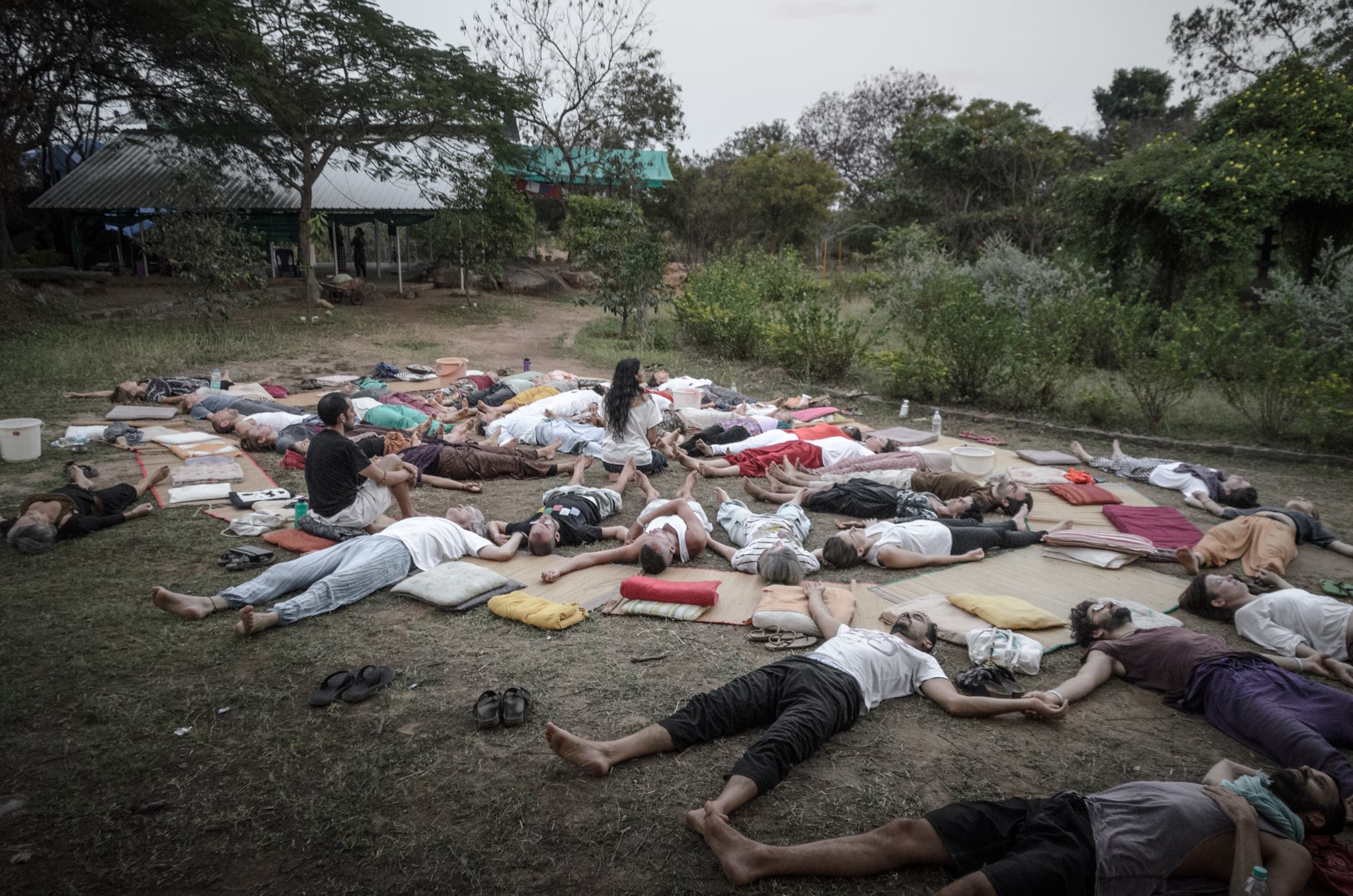
Death Meditation with Jessica – Photo by Gonzalo Santos – https://gonzalosantos.com.ar

We did the meditation to get used to the fact that we all die. Whenever something that we love ends or death is hitting us it is always to early. That is why Buddhism is teaching us to live in the present moment. And get involved in life and look who is next to you. On the train, at work, at the restaurant, in the yoga course, in the doctors waiting room. Talk to people especially to the older ones, listen to them and cultivate loving kindness. Also for the ones who are like a cactus on bad drugs – they lack of love!

I return with Mr Musa to our guesthouse. The next morning my room neighbor Heidi, a dutch artist, tells me that she met Mr Musa one week ago in the streets. He seemed lost. He spoke to her, walked with her to her guesthouse and asked if she could live there comfortably. She answered “Yes of course. This is  a simple, clean and friendly place, runned by a Thaifamily”.  Mr Musa, who belongs to the upper class, as he is a doctor from Malaysia, was living in a luxurious Five Star Hotel in Bangkok.  Some moments later he left it and moved into the small simple guesthouse. He told Heidi that his wife died two years ago and since then he is lonely. He misses her so much. Everywhere. His feeling of loneliness got more intense in the atmosphere of the Five Star Hotel. Nobody talked to him, to the older solo male traveller that looked sad. Many people do not like the smell of sadness. I remember when I was alone nearly 7 years ago in the streets of Boston and cried as if the world would die, crying in the metro, in the bus to the airport, at the airport…nobody spoke to me. People were irritated by so many tears and so much sadness. Instead of being irritated and talking to Mr Musa people in the Five Star Hotel lobby in Bangkok where dressed up like on commercial advertisement posters sitting at the bar and starred at their smartphones and ipads. While Heidi is telling me this and I start getting tears in my eyes again, Mr Musa comes back from the market for having lunch with the guesthouse family. He joins their prayers. Seeing him in this gentle community he looks at peace. The permanent absence of his dead wife is having a break.  In this very moment Mr Musas heart is able to let her go without stopping loving her.
Mucho Love, Yvi

Mr Musa und der Tod

Mr Musa sitzt jeden Morgen am Tisch des kleinen familiären Thai Gästehauses und grüsst alle Menschen, die aus ihren Zimmern kommen. Er sitzt da, grüsst und sucht. Wann immer jemand ihn ansieht, nutzt er den Wimpernschlag einer Verbindung und erzählt etwas.

An einem Morgen kommt er zu mir herüber. Er fragt mich, ob ich mit ihm zum Flussufer laufen möchte. Wir laufen los. Er erzählt mir, dass er diese Gegend mag, weil hier so viel Leben ist. Ich verstehe ihn so gut. Ich landete hier zum ersten Mal 2012, auf meiner ersten grosse Reise alleine. Ich ging durch diese Gassen viele Kilometer mit meinem Herzen spazieren,  das einem zerhackten Tofuthaicurry glich und brauste suchend durch das grosse Bangkok in dem Karmataxi (klick für die Story hier). Mein Herz ist seitdem wieder zu einem grossen Ganzen mit Klebestellen geworden, manchmal wird alter Schmerz noch aktiviert, aber generell  ist es mehr bei sich angekommen. Jetzt gehen wir mit Mr Musas Herz spazieren. In diesem Viertel, wo ich 2012 schon war, hat sich in den letzten Jahren scheinbar nichts verändert. Das Gewusel auf dem Markt, der sich am Wasser entlang schlängelt ohne Ende in Sicht, die Muttis hinter den brummenden Garküchen, die Kids, die in Schuluniformen Süssigkeiten kaufen und aufgeregt an den Gehwegen hocken, neben ihnen getrocknete Chilis für den Verkauf, Katzen, die neben, vor und auf den Reissäcken hocken, die zwitschernden Vögel, der Geruch nach Räucherstäbchen, Fisch und Orangen, die Lampions in den raschelnden Bäumen, die Gesänge, die im Sonnenuntergang aus den Tempelanlagen heraus schwappen. Oberflächlich gleicht dieser Khet, einer der 50 Bezirke Bangkoks, dem von 2012, aber natürlich hat sich hier alles verändert. Alles.

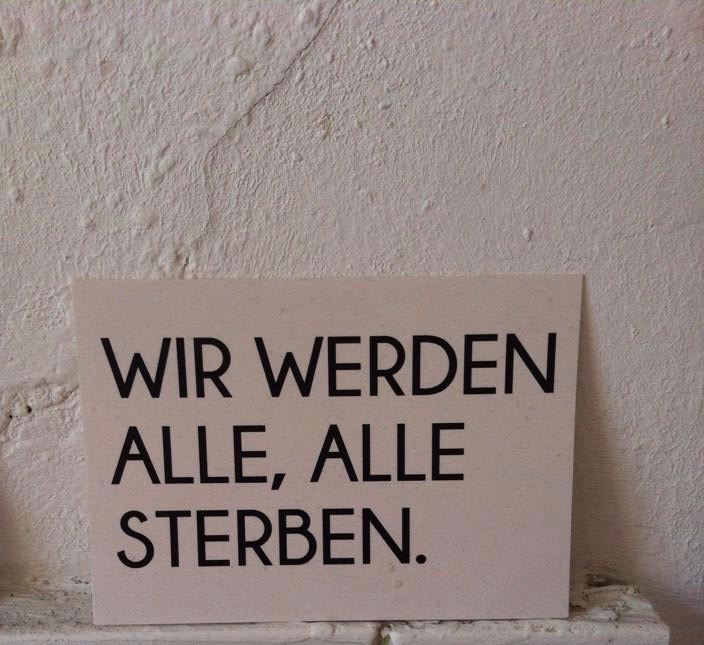
Mr Musa und ich kaufen pinke Nudeln, Erdnüsse und Sprossen und sitzen auf einer Bank am Fluss. In zehn Minuten wird unser Essen im Magen sein, der es dann zersetzt und irgendwann landet es wieder in der Erde, da wo wir alle herkommen. Der Blick aufs fliessende Wasser macht klar, dass alles in Bewegung ist und damit in Veränderung.  Die schwimmenden Plastiktüten zersetzen sich Stück für Stück, der Fisch wird an den Plastikpartikeln ersticken oder gefangen werden und auf den Grill kommen oder eines natürlichen Todes sterben. Er stirbt wie wir alle sterben werden. Ja wir werden alle, alle sterben.

Perel singt in ihrem Song Alles:

„Ein Haus, ein Zaun, der Vogel erstickt, die Zeit, der Raum, nichts kommt zurück (……….) auf einem Hof, ein Herz zerbricht. Alles, was war, wird nie wieder sein, und alles, was ist, ist stets vorbei.“

Nichts bleibt wie es ist trotzdem möchten wir Zeit an-, und Menschen, Geschichten und Besitztümer oft festhalten.  „Dieser Moment soll niemals enden“ hören wir uns sagen. „Diese Liebe soll nie zu Ende gehen.“ Wir schwören uns, zusammenzubleiben bis der Tod uns scheidet. Manche ziehen das durch, andere nehmen schon vorher die Ausfahrt woanders hin. That’s life. Wer krampfhaft festhält, der leidet. Auf meiner Reise begegne ich immer wieder dem Konzept von attachment und detachment – Anhaftung und Ablösung. Das gibt es im Buddhismus und auch in der Yoga Philosophie, in den Sutras des Patanjali.

Um weniger zu leiden, sollte man lernen zu lieben und gleichzeitig loszulassen. Eine höchst anspruchsvolle Kunst.  Wer sein Leben 50 Jahre lang mit einer Person geteilt hat, der kann sich nicht mal eben so ablösen. Oft ist man da verschmolzen wie zwei Sandwichscheiben, ist zu einer Symbiose mutiert. Deswegen ist es wichtig, diesen Weg innerlich im Hier und jetzt zu starten während der, die, das, was wir lieben noch da ist. Man liebt durch Ablösung nicht weniger. Man kann sich trotzdem mit ganzem Herzen einlassen. Full Power.

(Auf meiner Reise durch die Welt und Spiriszene traf ich nicht wenige Menschen, die dieses Konzept der Ablösung als Ausrede dafür benutzen keine stetigen Beziehungen mehr zu führen und von einem Menschen zum nächsten zu hüpfen, sie werden so immer einsamer und disconnecteter –  so ist detachment nicht gemeint).

Unser Leben ist wie eine Brücke. Mit Anfang und Ende. In der Mitte bleiben wir oft „stehen“, bauen Haus und oder Karriere auf,  halten uns krampfhaft am Job fest, gerade weil man uns vermittelt jederzeit austauschbar zu sein, wir gründen vielleicht eine Familie, legen uns Autos zu, einen grossen Garten, kaufen Klamotten und noch mehr Klamotten und ganz viel Technik, neue Technik, immer neue Technik  und ignorieren, dass das alles schon Morgen vorbei sein kann und definitiv in einigen Jahrzehnten vorbei ist.  Wie ein sturer Esel wollen wir uns von der Mitte des Lebens nicht wegbewegen und nicht Älterwerden. Wir retuschieren Fotos und spritzen uns Zeugs ins Gesicht. Trotzdem werden wir älter und steuern auf das andere Ende der Brücke zu. So viel ist sicher. Mit der Theaterregisseurin Jessica Walker aus Barcelona  habe ich auf ihrem Festival in Indien eine Meditation zum Tod gemacht. Sie sagt: „Nacemos, crecemos, nos desarrollamos para desaparecer.“ Wir werden geboren, wir wachsen, wir entwickeln uns, um zu sterben.”  Es war meine intensivste Woche auf meiner Reise. Hier geht’s lang zum Text über diese Erfahrung.

Meditation über den Tod mit Jessica. Foto von Gonzalo Santos – https://gonzalosantos.com.ar

Im Buddhismus nennt man die Unbeständigkeit der Dinge „Anicca“. Alles befindet sich im Fluss, alles ist vergänglich. Aber wann immer die Vergänglichkeit zuschlägt, ist es zu früh für uns. Deswegen lehrt der Buddhismus uns im Moment zu leben, die Menschen um uns herum wahrzunehmen. Im Bus, im Zug, in der Kaffeebar, in der Arztpraxis. Ihnen zuzuhören vor allem den Älteren und  Mitgefühl und Liebe zu kultivieren.

Wir alle gehen den Weg auf der Brücke in erster Linie alleine und damit sind wir nicht alleine. Wenn wir das checken, gibt es eine Chance für echte Connection.

Ich kehre mit Mr Musa zurück zum kleinen Gästehaus. Am nächsten Morgen spreche ich mit Heidi, eine niederländische Künstlerin in meinem Alter, die im Zimmer nebenan wohnt.  Sie erzählt mir, dass sie Mr Musa vor einer Woche auf der Strasse traf. Er wirkte verloren und sprach sie an. Sie spazierten einige Meter zusammen bis Heidi vor dem kleinen Gästehaus stehen blieb. Er fragte sie interessiert, ob sie ernsthaft da gut wohnen könne. Sie sagte „Ja natürlich: es ist familiär und herzlich hier“.  Mr Musa, der ein Arzt aus Malaysia ist und der reichen Schicht angehört, war bis zu dem Tag in einem luxuriösen Fünf Sterne Hotel einquartiert, das er nur wenige Momente später verliess, um auch in diesem einfachen Gästehaus zu leben. Er erzählte Heidi, dass seine Frau vor zwei Jahren gestorben ist und dass er seitdem so einsam ist. Sie fehle ihm so sehr. Seine Einsamkeit wurde durch das anonyme unterkühlte Fünf Sterne Hotel in Bangkok noch verstärkt. Hier sprach man nicht mit ihm als älteren“fremden“ Alleinreisenden. Schon gar nicht, weil er eben etwas traurig aussah. Hier sass man stattdessen aufgemotzt wie auf einem Werbeplakat an der Bar, auf den schicken Bildschirm des I-pads starrend. 
Und während Heidi mir das erzählt und ich schon wieder Tränen in den Augen habe, kommt Mr Musa vom Markt zurück, um mit der Thaifamilie des Gästehauses zu beten und Mittag zu essen. Er packt noch ein Kartenspiel auf den Tisch und sieht zufrieden aus in dieser Gemeinschaft.  Die permanente Anwesenheit der abwesenden Ehefrau legt eine Pause ein:

Mr Musas Herz lässt sie los und liebt sie weiter…


Mucho Love, Yvi

Eco Fashion for education! Tess and her Love Stories

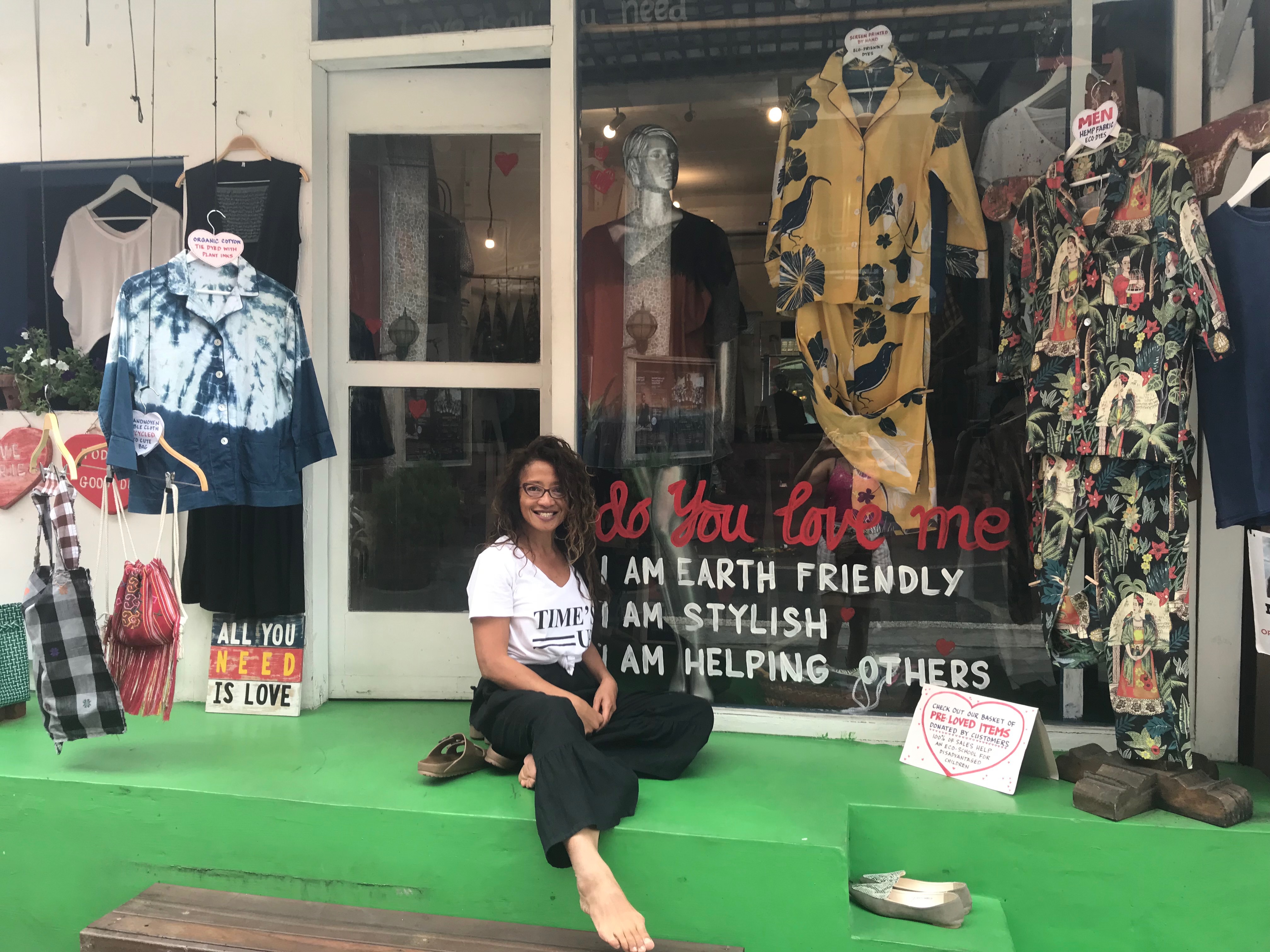
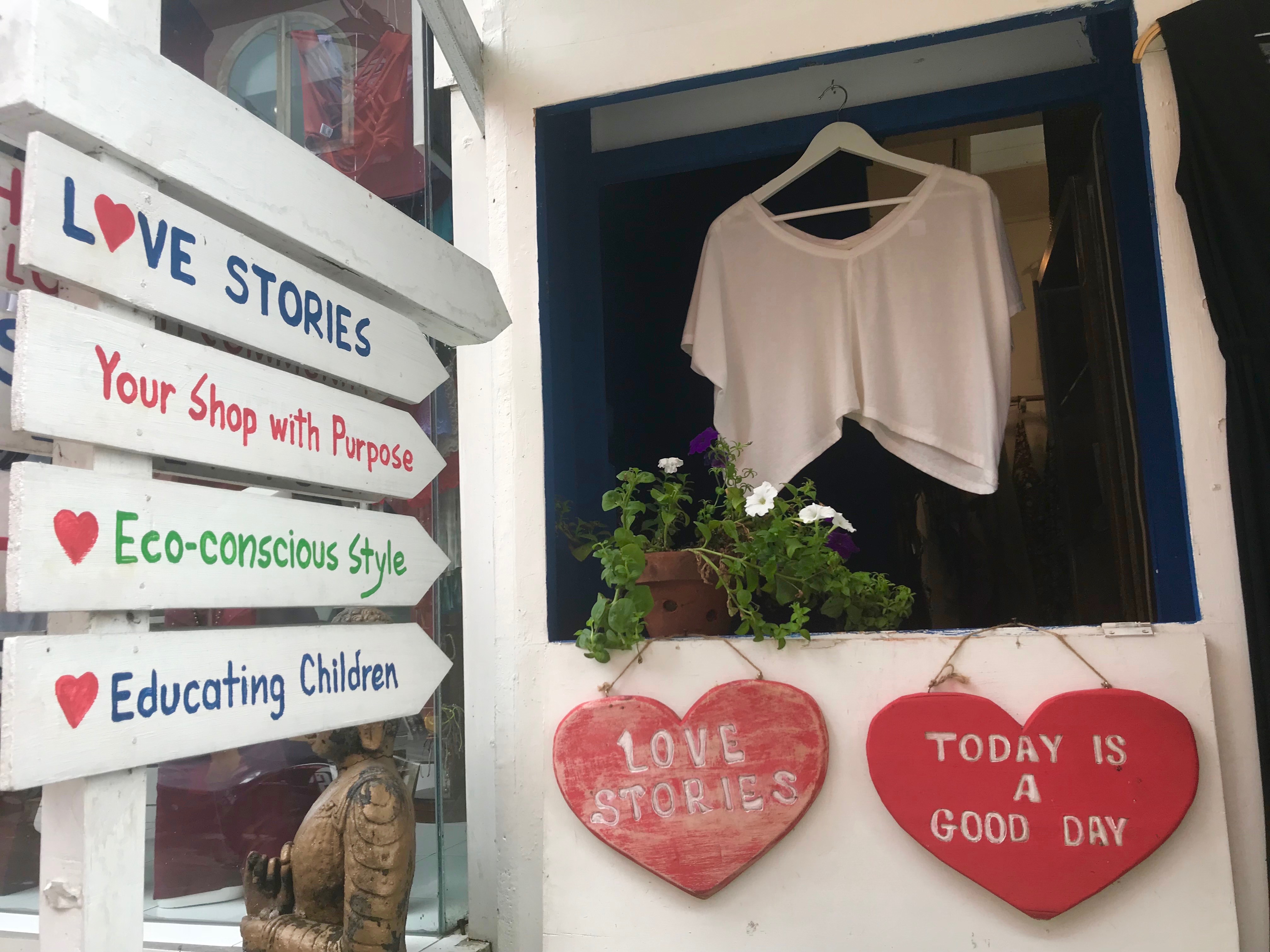
Imagine you buy new clothes, nobody gets harmed and  you make not only yourself, but a lot of people happy with that. It is possible. With the earth friendly Love Stories Market in Ubud. Tess from New York left wall street and now runs this shop that sells eco and fair fashion in order to support education. 

And yeah we know: The textile industry is one of the most dirtiest businesses in the world. People and nature get exploited. But still although we know the dirty reality, it is hard to stay away from buying a new nice dress, a funny shirt whatever. Our ignorance “protects” us from having a bad conscience. Craving for cheap clothes in the „dress for the moment style“ is stronger than facing the suffering that it behind the fancy new sneakers for the next party.

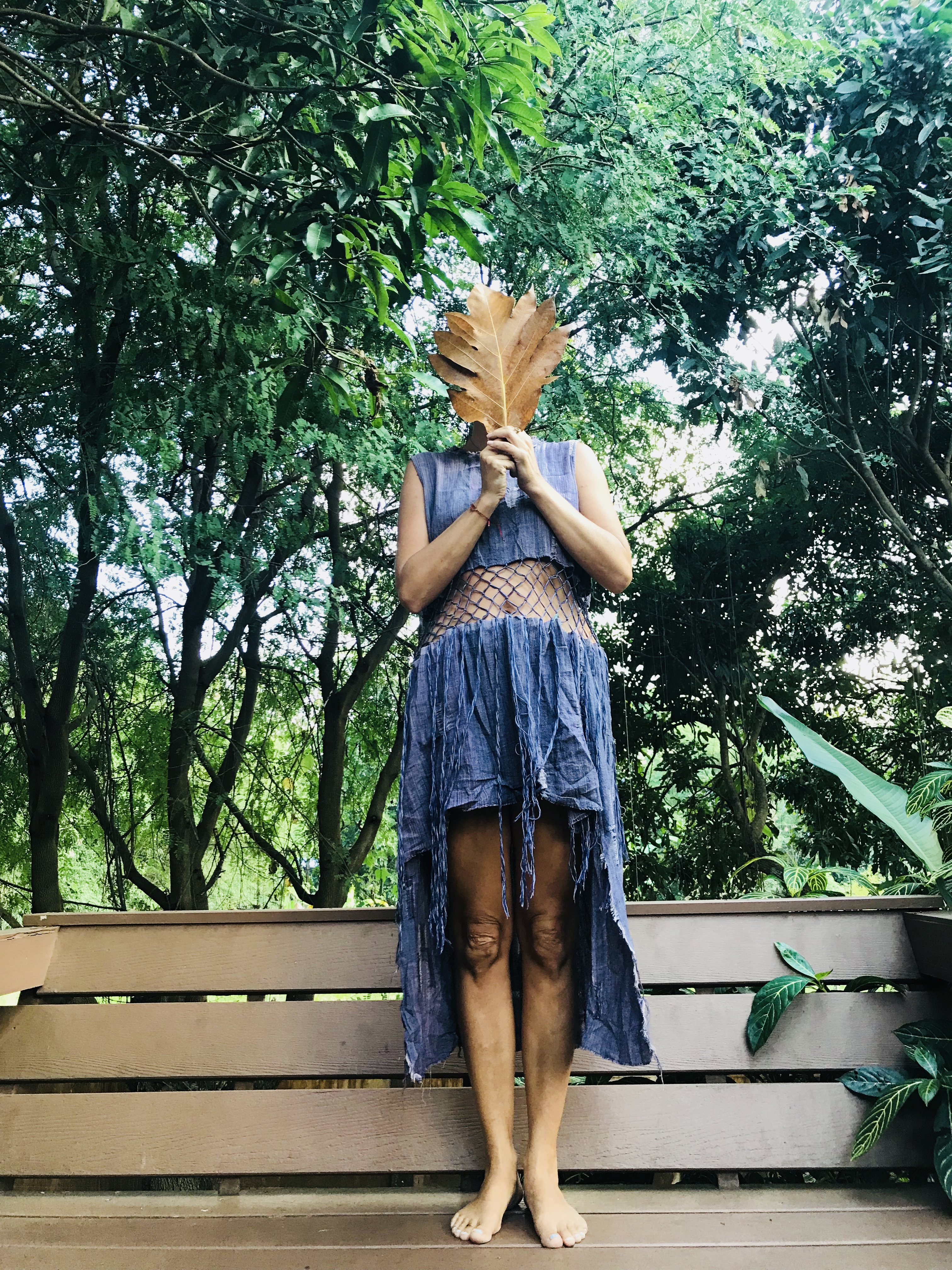
I always loved fashion. It is hard for me not to look at it and not to buy something. I know that many people are same. But many of us from middle-class to the rich people of course have the choice what to buy. I constantly get triggered by colours, shapes, structures, designs and lately when I saw the new collection of a big global chain I wanted to have half of it now. As this collection is copied from clothes from 20 years ago, I calmed down and instead of consuming this new stuff, that was mostly produced in sweatshops under slavery conditions, I checked vintage shops. I tell you it is all already there. You get beautiful unique pieces. In shops in your city or online. On top you are not running around with a coat that every third person will be also wearing this season. Same with Tess and her Lovestories Market in Ubud. They do special unique fashion. She has upcycled clothes and new fair and eco fashion.  I ran into her place, because of an extravagant violet dress that was hanging in the shop window. As I bought it, I did not have to have such a bad conscience.

A bit creased from my backpack travels but still lovely. In Ubud where hardly one says nice things about your look this dress got a lot of attention.


Tess told me that the profit goes into two preschools in Bali that she is supporting or better said the preschool are the reason why she opened the shop: With the money, underprivileged children get the eduction they deserve. Fashion for education! I spoke with Tess about it: 

Yvi:  Tess, what brought you from New York to Ubud?

Tess: My need, my wish and my dream to do community service. I wanted to take a break from my job at wall street and thought I will give it a shot for a year, but it has been two years and I am still here.

Yvi: Wow: From Wall Street to fair fashion…

Tess: I am doing fair and eco fashion combining sustainable fashion and giving back the community.

Yvi: When did this start?

Tess: First when I came here I was volunteering at a school, and after I saw that there is so much need in the school, founded by a very strong woman, who is a revolutionary in the preschool education, that we could help her more if we have more funding.  So instead of me just giving my money and my friends money into the school, we thought we open a shop to gather with women who believe in fair &eco fashion as well that we would be able to raise fund by donating the profit to the school.

Yvi: I just bought a beautiful violet dress, the profit goes into the preschool give me details.

Tess: When you buy:  so the price, minus salary, minus operational cost, production cost equals profit. And that profit goes into the school.

Yvi: How do you bring such a dress to life?  

Tess: I come from New York, so fashion is natural for me, but I also wanted a change, fashion to be earth friendly that I can look beautiful without harming the environment and without harming the people who make it. And it is possible. I designed the dress. The way we design your dress is simply just looking at this beautiful handwoven plant dyed organic cotton and we thought: “How can we make this look so beautiful on someone without destroying the pieces of that beautiful fabric?” We work with two workshops in Gianyar,  a little bit outside Ubud, they follow sustainable practices and the one shop that does natural dying was the one who made your dress. They have handweavers on the spot, doing all this and they also have natural dyers, these are men, the weavers are women, and they do everything in that one workshop by hand.

Yvi: I bought the dress and I saw was only 1 of it, are there more?

Tess: We like to make one of a kind. It is special – apart from the fact that our pieces are handwoven, no nothing really looks alike, because if you use chemicals and machines, they of course will lookalike, but with what we have we use hands and the hands cannot duplicate. So your dress is very special and we like that everything you buy in the shop is very special.

Yvi: You also make pieces from pure silk.

Tess: Yes. Because it is the most luxurious and we love handpainting them. And when we create the art for the hand painting, there is a meaning in every art. All our silk designs are made out of nature and out of what we see in Bali.

Yvi: You also have a nice selling concept outside Bali

Tess: We do pajmaparties. I go twice a year to America and I hold pajamaparties with women who have money and I thought maybe they will never buy. Because why would they buy if they can afford the designerclothes,  but surprisingly they notice that we make sustainable fabric very sexy.

Yvi: How do you live – you get also a little bit of money from all that?

Tess: No I don’t  – I am living from my savings at the moment. I actually give more then my own savings.

Yvi: Thank you so much, all the best! 

Tess: Thank you too for spreading the message.

________

You find Love Stories Market in Ubud opposite of Paradiso and a brand-new shop in Canggu. Check their Facebook for exact details.


Love Stories Market on Facebook

Love Stories Market on Instagram

Love Stories Market Homepage

[supsystic-gallery id=26 position=center]